The radio crackled at 3:47 PM on July 23, 1994: “We have two vehicles trapped in the narrows, water rising fast.” Death Valley National Park ranger Mike Thornton was 40 minutes out from the Titus Canyon entrance when the distress call came through. By the time he reached the scene, the 27-mile one-way route that threads through Death Valley’s most dramatic canyon would claim two lives and force the National Park Service to temporarily close their most popular backcountry drive.
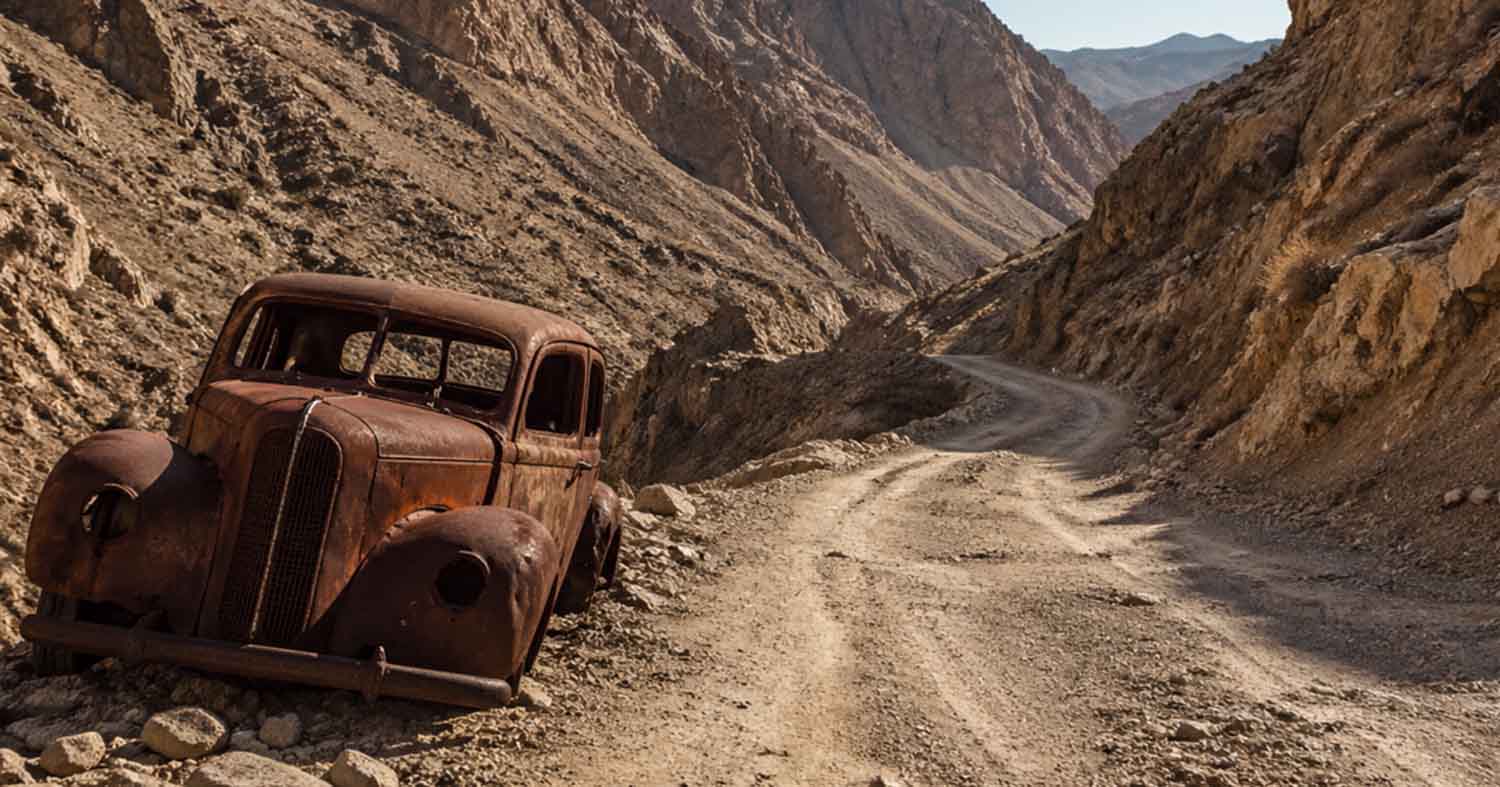
Titus Canyon is a 27-mile one-way dirt road from Nevada Highway 374 to Death Valley’s floor, descending 5,000 feet through narrow limestone walls. The route requires high-clearance vehicles and is rated moderate difficulty. It remains open year-round except during flash flood conditions, but the 1994 incident revealed critical gaps in the park’s warning systems that cost two overlanders their lives.
The Day Everything Went Wrong
The morning of July 23 started clear with temperatures already hitting 108°F by 10 AM. Chuck Morrison, 45, from Phoenix, and his friend Dale Krueger, 52, from Tucson, entered Titus Canyon in Morrison’s modified 1992 Toyota Pickup around 11:30 AM. Both were experienced desert runners—Morrison had completed the Rubicon three times, and Krueger regularly guided trips through Arizona’s backcountry.
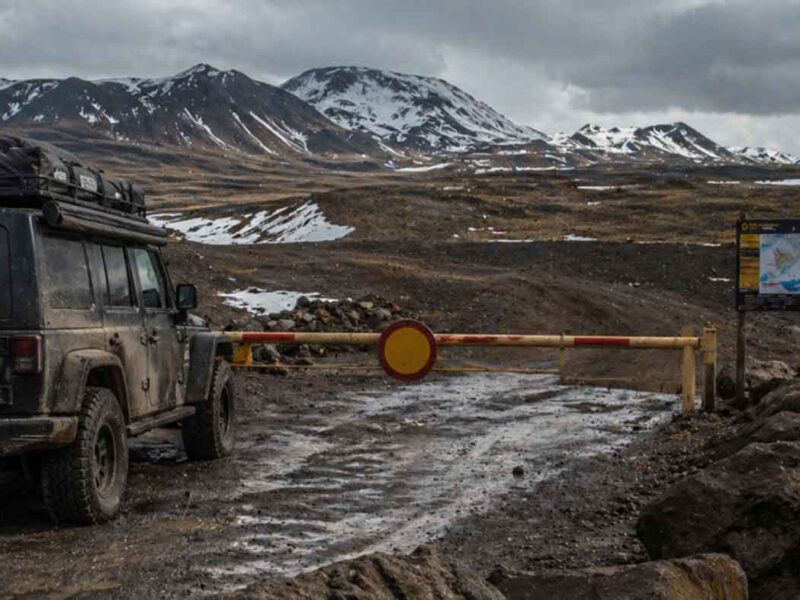
According to declassified incident reports obtained through Freedom of Information Act requests, the National Weather Service had issued a flash flood watch for the region at 9:15 AM, but no warnings were posted at Titus Canyon’s entrance. Park rangers later testified that their standard protocol called for closure signs only when flood conditions were “imminent”—a subjective threshold that proved fatal.
The storm cell that triggered the flood developed rapidly over the Grapevine Mountains, 15 miles northeast of the canyon entrance. Weather data shows 2.3 inches of rain fell in 90 minutes between 2:15 and 3:45 PM—an extraordinary amount for a region that averages 2 inches annually. The runoff funneled directly into Titus Canyon’s narrow upper reaches.
Morrison and Krueger were photographing petroglyphs near mile marker 19 when the wall of water hit. Survivor accounts from three other vehicles in the canyon describe a chocolate-brown surge carrying boulders and debris that rose from ankle-deep to hood-high in less than four minutes. Morrison’s Toyota was swept 200 yards downstream and pinned against the canyon wall. Both men drowned in their vehicle.
The Cover-Up That Wasn’t
Conspiracy theories about the incident persisted for years, fueled by the park service’s initial reluctance to release details and a temporary media blackout during the rescue operation. Some claimed the men were racing or engaged in reckless driving. Others suggested mechanical failure or that they ignored posted warnings.
The declassified reports paint a different picture. Both victims were wearing seatbelts. Their vehicle showed no signs of mechanical failure or excessive speed. Most importantly, no flood warnings were posted at the canyon entrance that morning—a fact the park service initially denied but later confirmed in testimony before Congress.
“Chuck and Dale did everything right,” says Sarah Mitchell, who was traveling in the convoy three vehicles behind Morrison’s truck. Mitchell, now 67 and living in Flagstaff, spoke to me by phone last month. “They had the right truck, the right gear, and they knew what they were doing. The park service just screwed up the warning system, and two good men died because of it.”
The incident triggered a complete overhaul of Death Valley’s flash flood protocols. The park service now closes Titus Canyon when any significant precipitation is forecast within 50 miles of the drainage basin. Warning signs are posted at the entrance when flood watches are issued, not just when conditions become imminent. Radio repeaters installed in 1996 provide communication coverage throughout the canyon’s length.
What Changed and What Didn’t
Titus Canyon reopened on September 15, 1994, after a 53-day closure that allowed for protocol changes and infrastructure improvements. The park service installed automated weather monitoring stations at three points along the route and upgraded the entrance gate system to allow for rapid closures.
But some issues remain unresolved. The canyon’s one-way nature means vehicles can’t turn around once they’ve passed mile marker 15. If weather conditions deteriorate rapidly—as they did in 1994—drivers have no choice but to continue through the narrows. The park service has resisted calls to install emergency turnarounds, citing environmental concerns and the technical difficulty of construction in the narrow canyon.
“We’ve made it as safe as we reasonably can,” says current Death Valley chief ranger Tom Williams. “But this is still Death Valley. There’s inherent risk in being here, and visitors need to understand that.”
The memorial plaque for Morrison and Krueger sits at the Titus Canyon entrance, weathered by 30 years of desert sun. Most overlanders drive past without noticing it, focused on the adventure ahead. But their deaths serve as a stark reminder that even experienced desert runners can be killed by forces beyond their control—and by systems that fail when they’re needed most.
Q: Is Titus Canyon safe to drive today?
Titus Canyon is generally safe when open, but requires high-clearance vehicles and should never be attempted during flash flood conditions. The park service now closes the route proactively when storms threaten the area.
Q: How long does it take to drive Titus Canyon?
The 27-mile one-way route typically takes 3-4 hours in a stock high-clearance vehicle, including stops for photos and petroglyphs viewing.
Q: Can you turn around once you start Titus Canyon?
No turnarounds exist after mile marker 15, making the final 12 miles a committed one-way descent through the narrow canyon sections.
Q: What type of vehicle do I need for Titus Canyon?
High-clearance vehicles are required. Stock pickup trucks and SUVs handle the route easily, though the rocky surface can damage low-profile tires.
Q: When is Titus Canyon typically closed?
The route closes during active flash flood conditions, typically during summer monsoon season (July-September) and winter storms (December-February).
Q: Where can I check current Titus Canyon conditions?
Death Valley National Park’s website and visitor center provide current road conditions, and rangers post closure signs at the Nevada Highway 374 entrance when conditions are unsafe.
Have a dirty day.